
Travel and portraiture are two separate disciplines that can combine to create beautiful images that tell a story. The key to travel photography is capturing the emotion and beauty of a location. Much of that emotion and beauty is created by the people who live there. Our job as photographers who take travel portraits is to convey the impression of the location and character of the people we shoot. Do it right, and you can go home with some very emotional images.
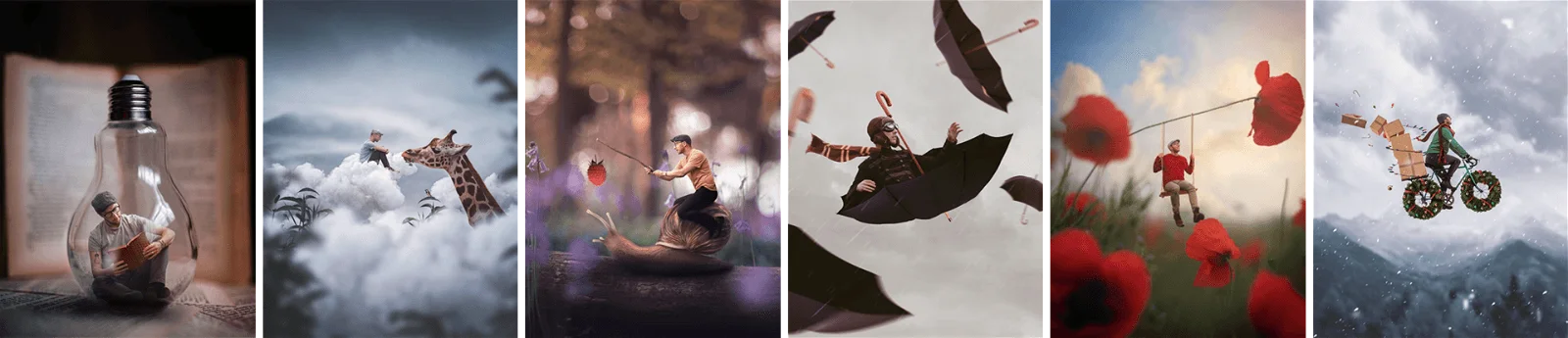
To take your portraiture and person photography a step further, check out Joel Robison’s Fantastic Photo Adventure. This extraordinary skill will show you exactly how pictures like this are made. And it’s special now. Download here.
While it can be very easy to shoot candid portraits on the go, you’ll get a much better shot if you engage with your subject, look them in the eye, and understand a little bit about their life. If you can then display it in your photos then you have done your job.

Understanding Where You Are
Whether you’re the hands-on dive type or a more reserved, introverted photographer, you won’t get great travel portraits if you don’t do your research on the places you visit.
Cultures change not only based on national boundaries but often from city to city, and it’s important to be prepared for that. It’s important to research local customs, traditions, and most importantly, etiquette. Some cultures are not interested in taking photos, some welcome it openly, and others may expect something in return. Be open to all of these possibilities.
If you plan to take pictures at a cultural event, make sure it’s acceptable and the event organizers allow it.
If you plan to shoot travel portraits for any kind of commercial gain then you will need to get your subject to sign off on a model release. Don’t assume that they will never find out you’ve sold their image. Beyond the ethical implications, it’s entirely possible their face could end up on products sold in their country, leaving you open to legal action.

Travel Portrait Gear
Many portraits are studio-based or taken in locations with lots of lighting and even assistants. Travel portraits are not like that, you will most likely be alone, bringing the equipment you are used to for travel shooting. So what’s important?
A small flashgun or continuous LED light would be very useful. There’s a good chance that many of your shots will be outside, perhaps in low light. Either of these will help remove harsh shadows. They can also be very useful when shooting indoor travel portraits.
The classic fast portrait lens is useful but not essential. The 85mm f/1.8 is considered a portrait lens because it has a good perspective and shallow depth of field. It can definitely be used. However, a slightly wider lens can also be useful as it allows you to capture the surroundings of your subject.

Beyond this, you’ll have what you need for great travel portraits. Photographing them is more about spontaneity than preconceived shots and settings, so traveling with light would be advantageous.
To take your portraiture and person photography a step further, check out Joel Robison’s Fantastic Photo Adventure. This extraordinary skill will show you exactly how pictures like this are made. And it’s special now. Download here.
The Rule of Light in Travel Portraits
As with most aspects of a travel photographer, good light will be your friend. It can be the long soft shadows of a golden hour or the soft dim light of an overcast day. The key element you are looking for is modeling on the subject’s face. You want the person to have a subtle 3D feeling that makes them pop off the screen.
Avoid bright light during the day, and also try to avoid bright shadows on and across the subject’s face. The only shadows should be soft and formed by facial features such as the nostrils and eyes. Don’t be afraid to use a bit of artificial light, either from your own source or ambient light at the location. The light in the subject’s home or workplace also makes for great travel portraits.


Posing And Writing
The rules of thirds, leading lines, and frames are well-defined compositional rules in travel portraits. Frames are a very useful rule because you can position your subject against a door or window which helps determine their location.
Leading lines are useful for bringing your eye through the surroundings of the subject, while placing at least one of the subject’s eyes in a third will draw the viewer’s attention to it. Depth of field can be shallow or deep, depending on how much of your subject environment you want to include.


Posing the subject of your travel portrait is often not as important as composition. When you try to get a feel for the location and the person, the best poses emerge when the subject interacts with their environment. Try shooting a mix of shots where the subject is concentrating on their work/hobby but also where they are looking directly at the camera.
Build Connections With Locals
The most difficult form of travel portraits is visiting a new location. Even after doing research, it can be difficult to connect with local people. Try joining some local Facebook photography groups before you leave. Like-minded people will always be able to give you insight and introductions to locals that make your shooting easy.

Language is often a problem but one of the universal ways to communicate is with a smile. Being open, smiling and gesturing with your camera is the easiest way to overcome the language barrier. You’ll be able to tell quickly from someone’s body language if they’d be willing to have their portrait taken. If it feels negative, thank the person and walk away. Never shoot someone who doesn’t want their picture taken.
Taking travel portraits is not for the faint of heart. Approaching and engaging with people is never easy, especially when you don’t share the same language as that person. You can usually tell by body language whether someone agrees before you even approach them. In my experience, most people are relatively open to being photographed, and those who are are often aggressive.
To take your portraiture and person photography a step further, check out Joel Robison’s Fantastic Photo Adventure. This extraordinary skill will show you exactly how pictures like this are made. And it’s special now. Download here.
Overcome your fears, and you’ll quickly build a confidence-building and stunning library of travel portraits.